
Key Takeaways
- Spouse caregiver burnout can develop gradually as dementia-related care needs increase.
- Common signs of burnout include exhaustion, stress, isolation, difficulty managing personal needs, and feeling overwhelmed by caregiving responsibilities.
- Memory care may be worth considering when daily care needs become more complex or safety concerns begin to increase.
- Changes in behavior, confusion, wandering, and increasing supervision needs often require specialized dementia support.
- Memory care communities provide structured routines, personalized care plans, secure environments, and trained support teams.
- Conversations about memory care are often easier when focused on comfort, safety, support, and open communication.
When Love Starts to Feel Like Too Much
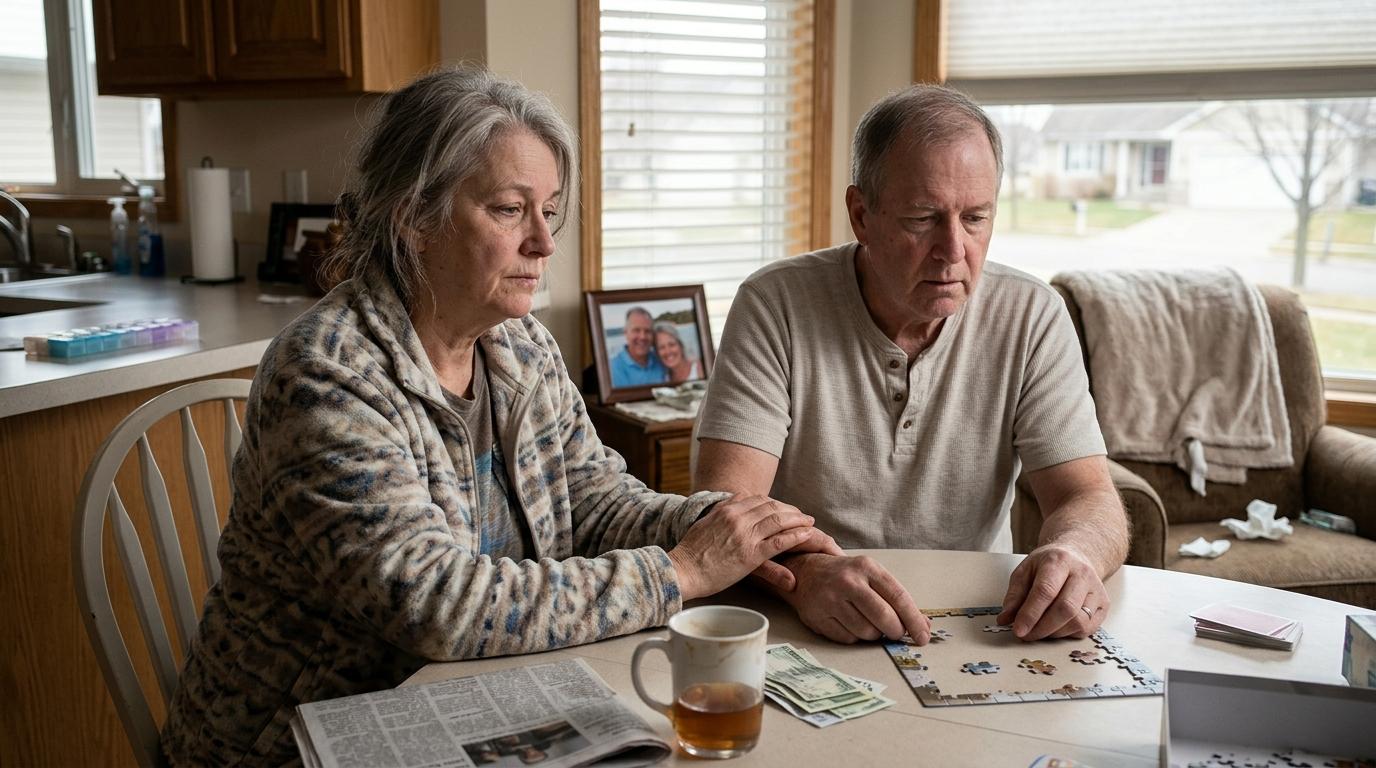
You said “I do”, and you meant it. So when your spouse began to need more care, you showed up. Day after day, you managed medications, interrupted sleep, difficult moments, and the quiet grief of watching someone you love change. That kind of devotion is extraordinary. But it can also quietly wear you down in ways that are hard to admit, even to yourself.
Recognizing spouse caregiver burnout—and knowing when memory care might offer a better path for both of you—can be one of the most loving decisions you ever make. It’s not giving up. It’s giving more, in a different way.
The Reality of Spouse Caregiver Burnout
Caring for a spouse with dementia can be rewarding, meaningful, and deeply personal. It can also be physically and emotionally demanding, especially as care needs increase. Many spouses devote so much time and energy to supporting their loved one that they overlook their own well-being. Caregiver burnout can develop gradually, making it difficult to recognize until daily responsibilities begin to feel overwhelming.
You may be experiencing caregiver burnout if you notice signs such as:
- Ongoing exhaustion, even after rest
- Difficulty keeping up with your own health appointments or personal needs
- Increased feelings of stress, anxiety, or sadness
- Spending less time with friends, family members, or activities you enjoy
- Feeling overwhelmed by daily caregiving responsibilities
- Growing concerns about your spouse’s safety at home
- Difficulty managing household responsibilities alongside caregiving
Recognizing these signs does not mean you have failed your spouse. It may simply indicate that both of you could benefit from additional support as dementia-related needs continue to change.
Signs It May Be Time to Consider Memory Care
The decision to move a loved one into memory care is rarely based on a single event. More often, families begin exploring options when daily care needs become increasingly difficult to manage at home. While every situation is different, certain changes may indicate that specialized dementia support could be beneficial.
Daily Care Needs Are Becoming More Complex
As dementia progresses, tasks such as bathing, dressing, grooming, eating, and medication management often require more assistance. When these responsibilities become difficult to manage consistently, additional support may help maintain comfort and quality of life.
Safety Concerns Are Increasing
Many families begin considering memory care when safety becomes a concern. Wandering, falls, leaving appliances on, medication errors, or nighttime confusion can create risks that are difficult for one person to manage alone.
Behavioral Changes Are Becoming Difficult to Manage
Dementia can sometimes lead to increased confusion, agitation, anxiety, or changes in routine. While these situations are often manageable in the early stages, they may require specialized approaches and support as symptoms progress.
Caregiving Is Affecting Your Health
Your well-being matters too. If caregiving responsibilities are affecting your sleep, physical health, emotional health, or ability to manage daily life, it may be time to consider additional support for both you and your spouse.
Your Spouse Would Benefit From Specialized Support
Memory care communities are designed specifically for people living with dementia. Structured routines, trained team members, and dementia-focused programming can provide support that is difficult to replicate at home.
What Memory Care Actually Looks Like
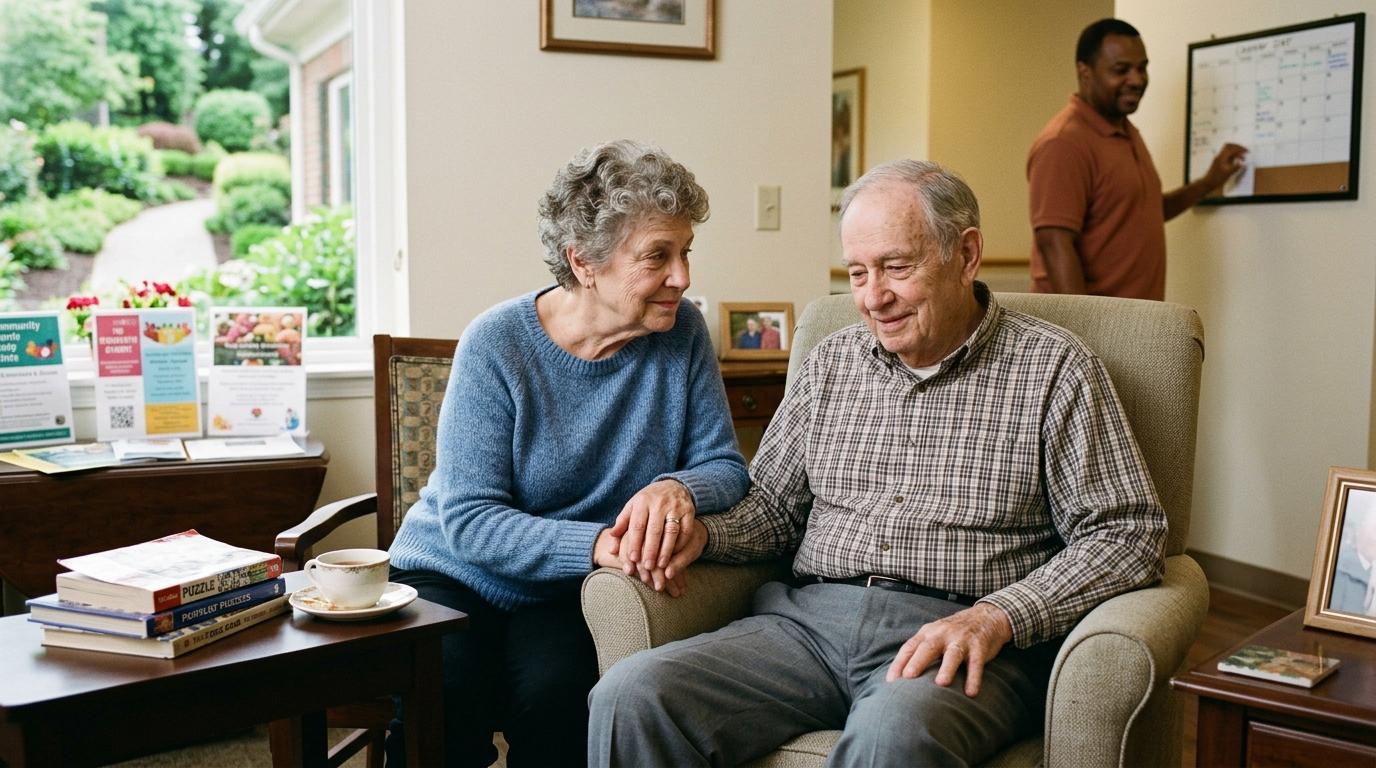
Many people are unfamiliar with memory care until they begin researching options for a loved one. Memory care communities are designed to support people living with Alzheimer’s disease and other forms of dementia through specialized care, structured routines, and secure environments.
Most memory care communities provide support through services and features such as:
- Personalized care plans
- Secure environments designed for people living with dementia
- Structured daily routines
- Cognitive and social engagement opportunities
- Assistance with daily activities
- Medication management
- Around-the-clock support from trained team members
Memory care is designed to support changing needs while helping residents maintain comfort, dignity, and meaningful daily experiences. It also provides families with peace of mind, knowing their loved one has access to consistent support throughout the day.
How to Talk to Your Loved One About the Transition
Conversations about memory care are often emotional for both spouses. It’s natural to have concerns about how your loved one will respond or whether the timing is right. Approaching the conversation with patience and understanding can help create a more productive discussion.
Choose the Right Time and Setting
Look for a calm, comfortable time to talk. Avoid bringing up the conversation during moments of frustration, confusion, or after a difficult caregiving situation. A relaxed setting often makes it easier for both people to communicate openly.
Focus on Comfort and Support
Try to frame the conversation around support rather than limitations. Discuss how additional assistance may help make daily life safer, more comfortable, and less stressful for both of you.
Listen to Their Concerns
Your spouse may have questions, fears, or reservations about memory care. Allow space for those feelings and listen carefully. Even if several conversations are needed, feeling heard can help reduce anxiety about future changes.
Involve Trusted Family Members and Professionals
Family members, physicians, and other trusted professionals can often provide guidance and support during the decision-making process. Their perspective may help reinforce important conversations and answer questions as they arise.
Your Role Does Not End Here
Choosing memory care does not end your role as a spouse. Instead, it often allows you to focus more fully on your relationship while a trained team helps manage daily care needs. Many spouses find that visits become less focused on caregiving tasks and more focused on spending meaningful time together.
At All Saints Senior Living, we understand how difficult this decision can feel. Our memory care lifestyle is designed to support both residents and their families through every stage of the journey. Schedule a tour with us today to learn more about our memory care lifestyle, and give your spouse the life they deserve.